Support making RiG more international!
Take part in our online survey at the end of your visit and share your valuable experiences and opinions. Duration: 7-10 min.

Research institutions
Germany’s research institutions are renowned worldwide for their excellence, innovation, and openness. Their scientific curiosity and pioneering spirit have made Germany one of the most dynamic nations in developing and patenting new technologies. This success is driven by a strong and diverse research ecosystem that brings together universities, universities of applied sciences, non-university research organizations, research-driven companies, and federal as well as state (Länder) institutions. Together, they form a vibrant research landscape that positions Germany as a global leader in future-oriented research.
Explore the different types of research institutions in Germany and learn more about their unique roles and contributions.
Why Germany
There are many good reasons for doing research in Germany. It is a leading research nation – especially when it comes to the disciplines of the future – and its universities and research institutions are among the best in the world.
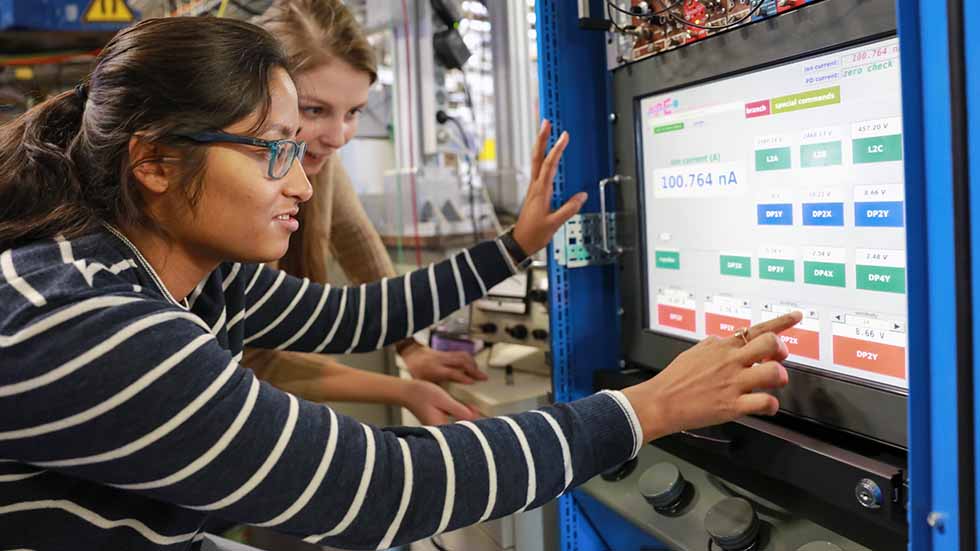
University landscape
Germany is home to around 430 universities. They are one of the most important actors in the German research landscape and pursue top-class research on an international level.
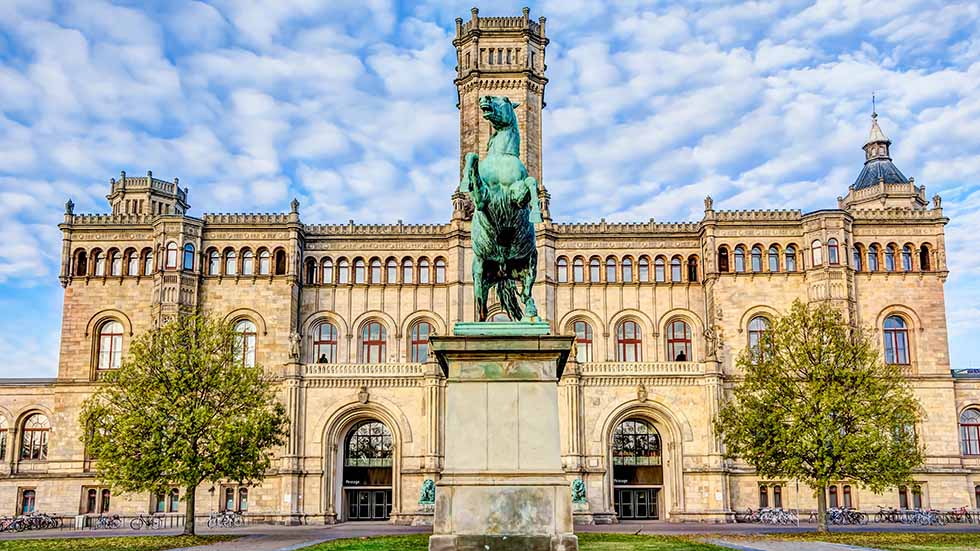
Non-University research institutions
Germany has a total of over 1,000 public and publicly funded research institutions as well as various research and development centres run by industrial companies.
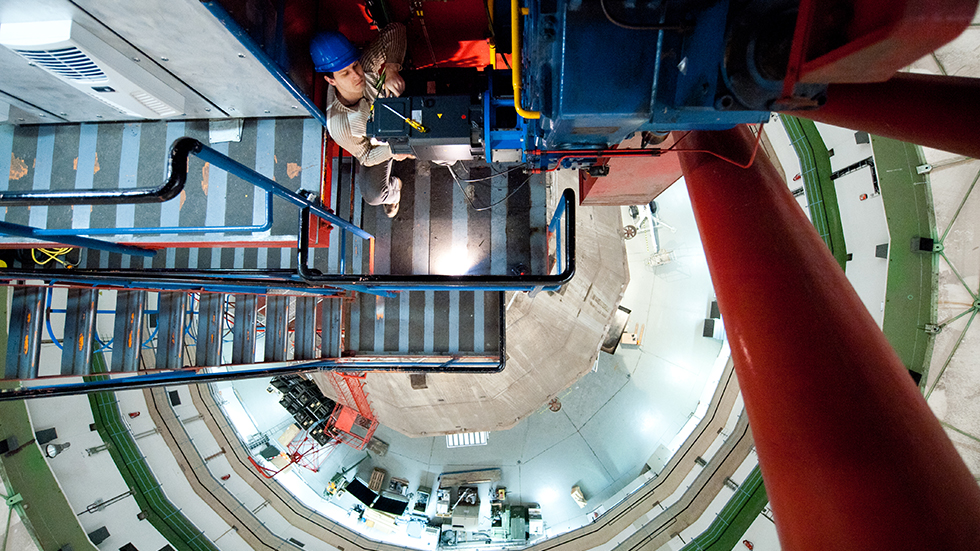
R&D companies in Germany
Germany is a powerhouse when it comes to research and development (R&D). Above all, this is because German companies invest a great deal in improving their products: in hardly any other country does business spend as much on R&D.

Top universities
Competition is a key element in science and research, both for researchers and their institutions. This is why recent times have seen ranking lists experience a boom in Germany.