Support making RiG more international!
Take part in our online survey at the end of your visit and share your valuable experiences and opinions. Duration: 7-10 min.
Science for Society
Learn more
Science for Society
How can research help shape a more sustainable, inclusive and connected future? Across Germany, universities and research institutions are working with citizens, international partners and regional stakeholders to tackle pressing societal challenges. Whether through Monocab at Ostwestfalen-Lippe University of Applied Sciences and Arts, which is developing autonomous, electric monorail vehicles to improve sustainable mobility in rural areas; the collaborative sustainability initiatives of the CIM Hub Marburg; the University of Jena’s mobile science bus, which brings dialogue between science and society directly into communities; HSBI’s New Horizons Fellowship, promoting international collaboration and equal opportunities in sustainability research; the Women in Photonics programme at Leibniz IPHT, supporting the next generation of female scientists; or the AI-powered wildlife conservation project WildCap at the University of Stuttgart. These initiatives show how research can create tangible benefits beyond academia while fostering innovation, inclusion and dialogue.
Jump directly to an article
- A mobile science bus serves as a platform for co-creative dialogue formats, cultural events, workshops, pop-up labs and exhibitions
- How flying robots and AI help protect wildlife
- Science meets society in the CIM Hub Marburg: new spaces for transdisciplinary research and sustainability transformation
- Research that makes a difference – best practice at the Doctoral Centre for Applied Computer Science
- Having a voice in multiple languages
- MONOCAB: rethinking mobility – Ostwestfalen-Lippe University of Applied Sciences and Arts
- Research on sustainable technologies from an equal opportunities perspective: HSBI’s New Horizons Fellowship makes it possible for visiting scholar from Bhutan
- Women in Photonics: international workshop on career opportunities
- The right method at the right time: tailor made monitoring for prestressed concrete bridges
A mobile science bus serves as a platform for co-creative dialogue formats, cultural events, workshops, pop-up labs and exhibitions
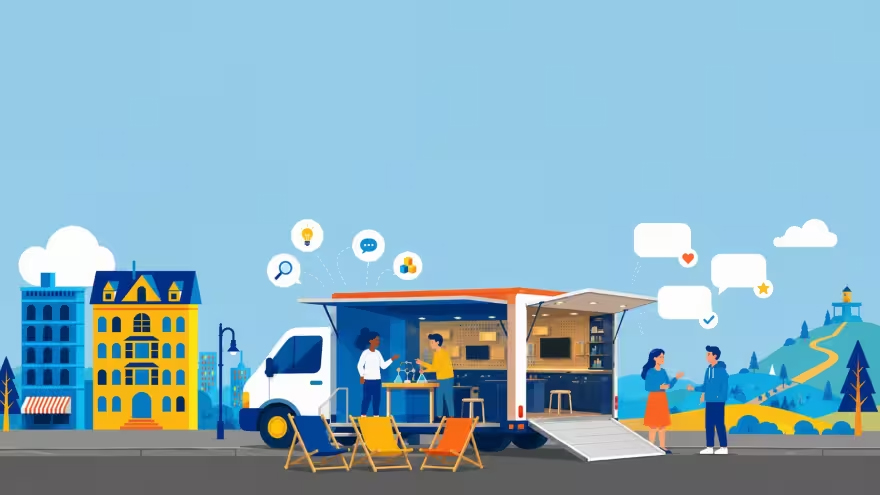
The University of Jena is breaking new ground in communication between the academic world and society: From 2027, a mobile science bus will travel through rural areas of the German federal state Thuringia. The bus will serve as a platform for co-creative dialogue formats, cultural events, workshops, pop-up labs and exhibitions. Citizens, researchers and students will work together on regional topics such as healthcare, sustainability, structural change or discuss issues of coexistence.
How flying robots and AI help protect wildlife
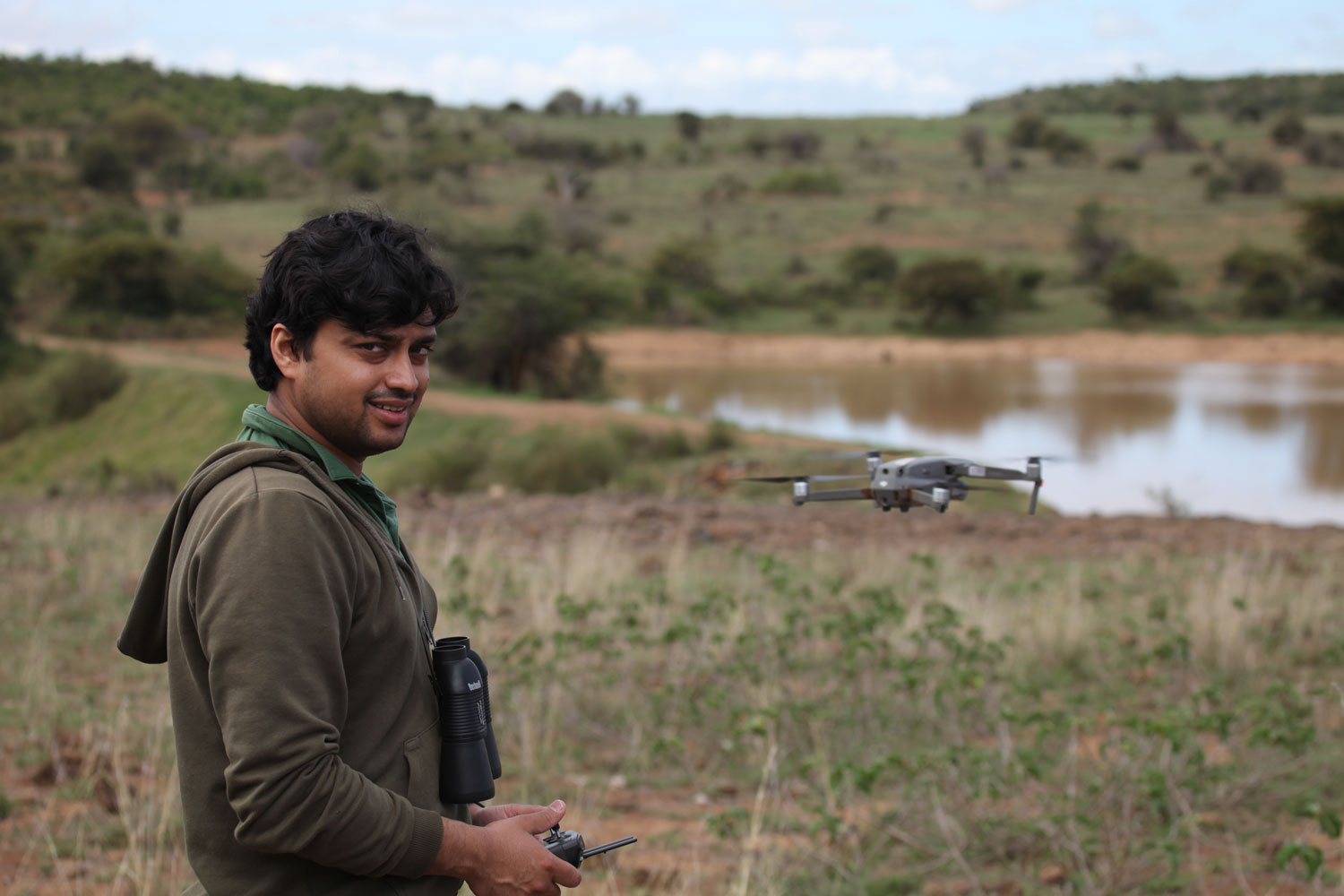
Protecting endangered species such as zebras, giraffes, and leopards requires a deep understanding of their behavior. Junior Professor Aamir Ahmad at the University of Stuttgart aims to help wildlife researchers observe animals in their natural habitats more effectively. In the WildCap project, he and his team are developing autonomous flying robots that detect and track wildlife animals while analyzing their movements and behavior. Partners include Princeton University in the USA and Hungary’s Hortobágy National Park.
The robotic fleet combines energy-efficient airships capable of tracking animals over long distances with small quadcopters that can approach them closely. Working together, these diverse robots use machine learning and coordinated flight strategies to achieve optimal visual coverage. AI also helps identify individual animals: the team’s innovative RAPID algorithm uses unique coat patterns to recognize them—much like a human fingerprint.
Science meets society in the CIM Hub Marburg: new spaces for transdisciplinary research and sustainability transformation
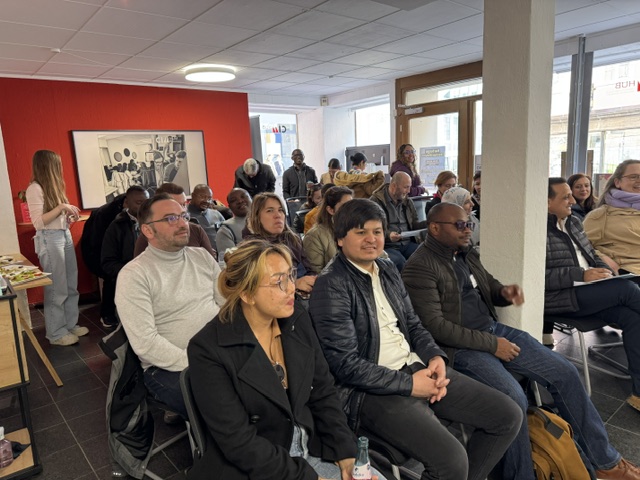
How can universities work more closely with society to address complex sustainability challenges? The Creativity and Social Innovation Hub (CIM Hub) Marburg offers a practical answer. As a Living Lab, it brings together students, researchers, and regional stakeholders to develop and test solutions to real-world challenges. Discover how this collaborative approach connects research and practice, creates new learning opportunities, and supports sustainability transformation in regional knowledge ecosystems.
Research that makes a difference – best practice at the Doctoral Centre for Applied Computer Science
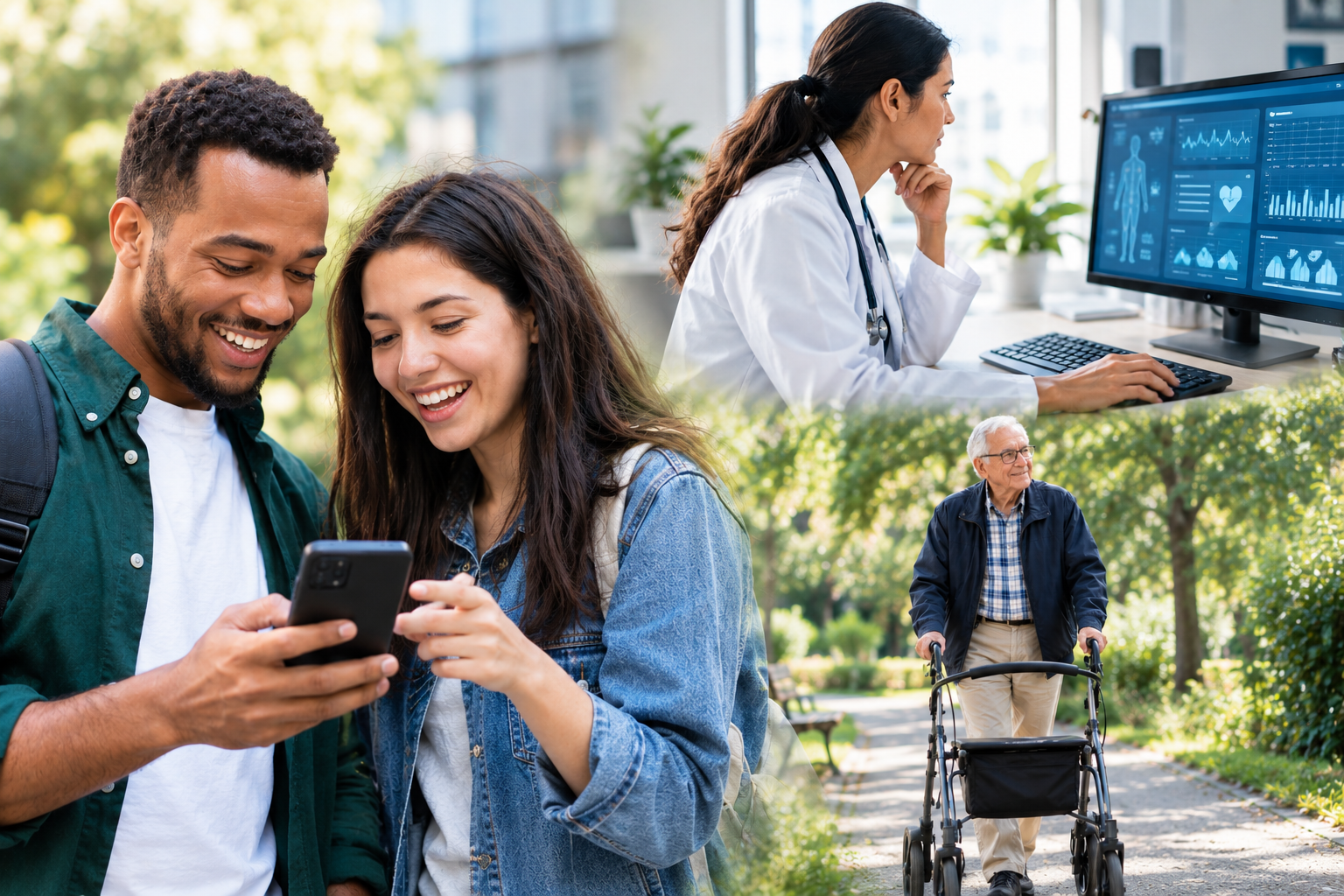
What motivates doctoral candidates in Applied Computer Science beyond their intellectual curiosity and pursuit of scientific excellence? It is the ambition to make a tangible contribution to society through their research and to find answers and solutions to pressing societal challenges.
The research projects presented here illustrate the diverse ways in which this ambition is put into practice. Focusing on three areas of particular societal relevance – social media, healthcare, and demographic change – they demonstrate how Applied Computer Science addresses current challenges, opens up new perspectives, and helps shape a more informed, inclusive, and sustainable future.
By connecting technological innovation with the needs of society, these projects highlight the potential of research to go beyond academic boundaries and create meaningful impact in people's lives.
Read the full article here or find out more about our research here.
Having a voice in multiple languages
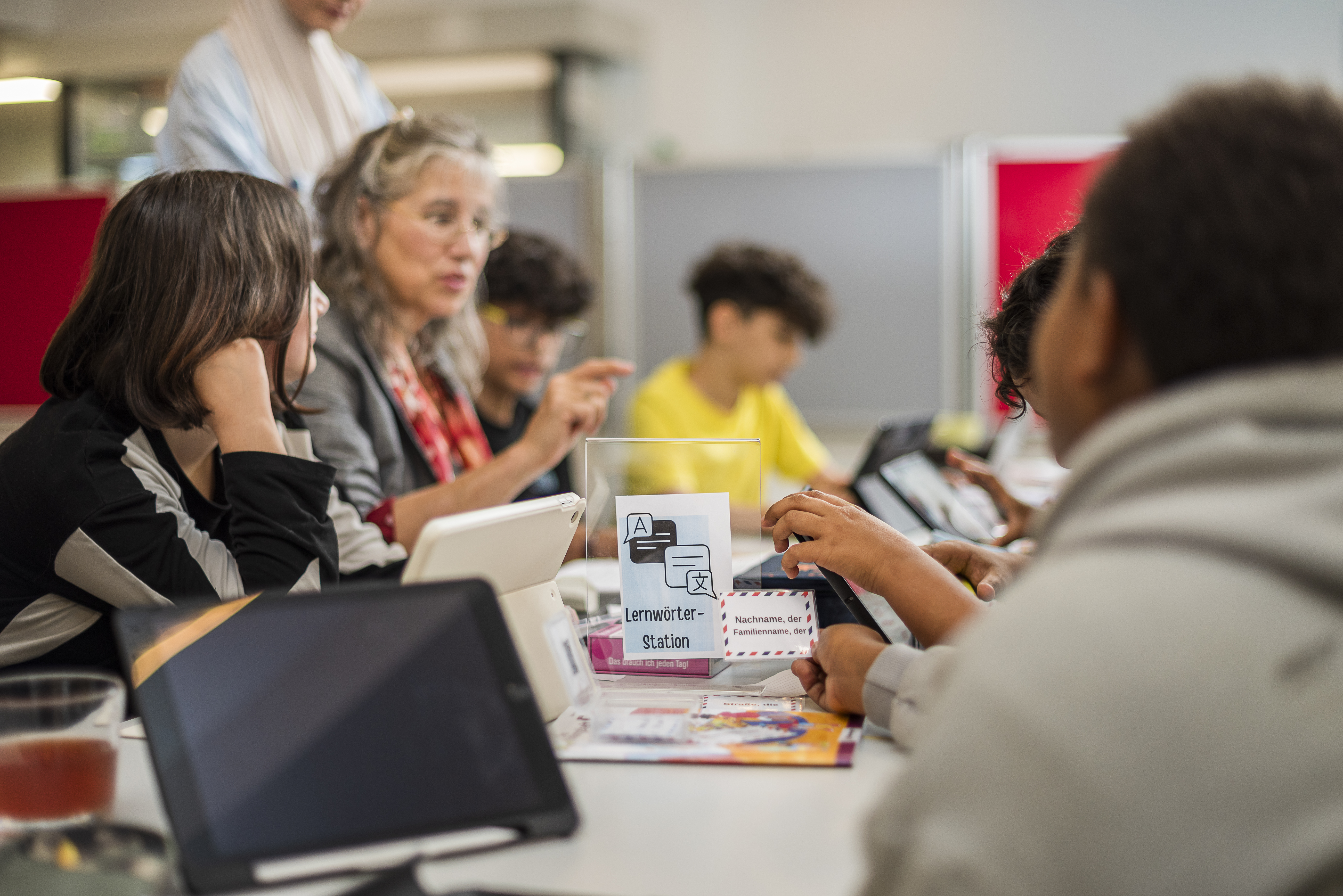
A monolingual culture dominates German schools: Only German is allowed in the classroom. Researchers at Ruhr University Bochum are advocating for translanguaging in the classroom—the flexible use of multiple languages—as part of the “Digitale Wege. GeHen” project.
The researchers support students with immigrant backgrounds through workshops, AI-powered tools such as translation apps, and individualized support. Early successes: Students understand German better, are more motivated, and are learning their native language more actively. In the long term, teaching materials and training programs are intended to raise awareness among teachers—because “translanguaging is educational magic, but concrete methods are lacking,” says Prof. Dr. Björn Rothstein of the Chair of German Language Didactics. “Multilingualism can serve as a valuable bridge and resource for facilitating learning processes, fostering an appreciative approach to other linguistic cultures, and also for improving German language skills.”
MONOCAB: rethinking mobility – Ostwestfalen-Lippe University of Applied Sciences and Arts
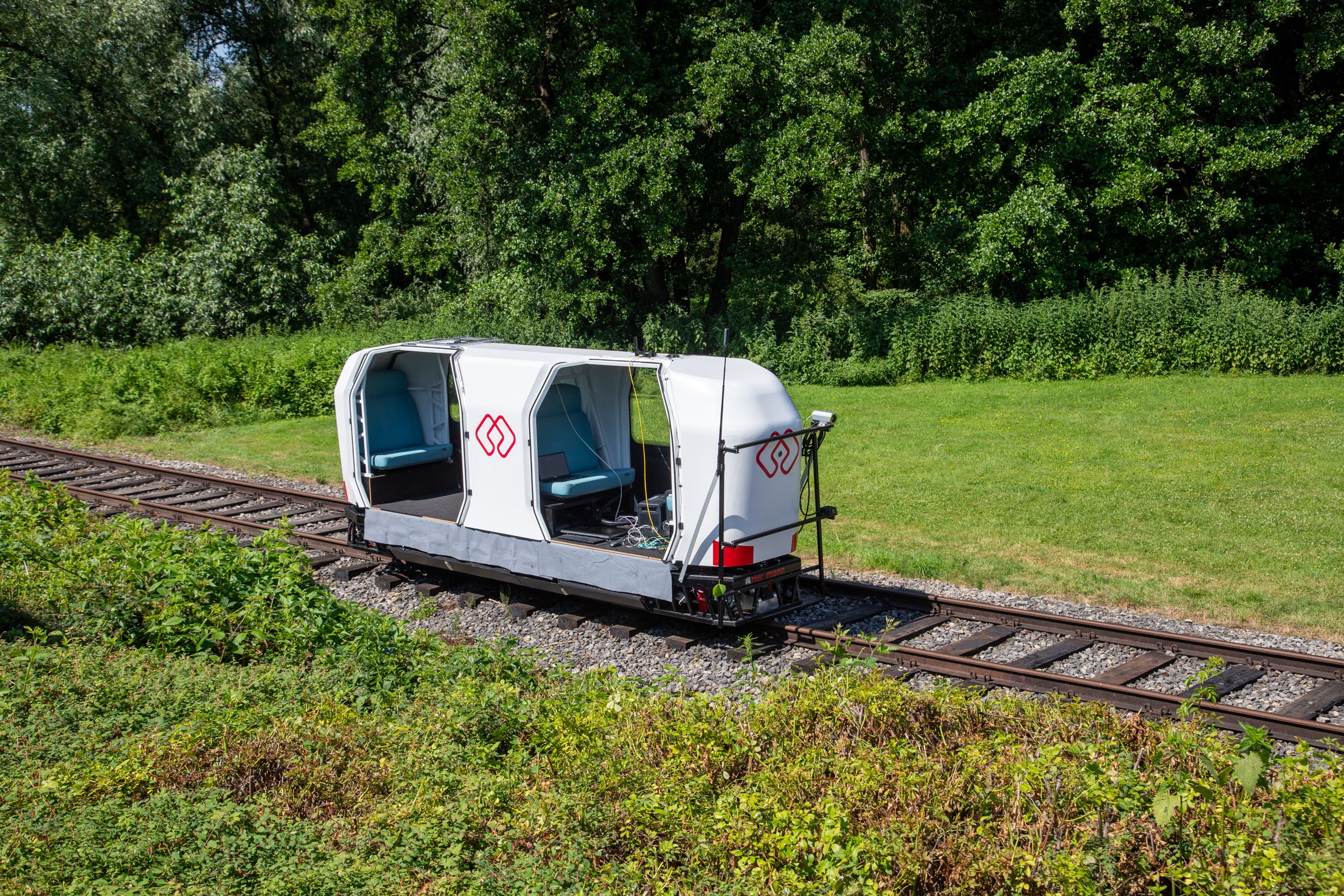
Limited public transport can make it difficult for people in rural areas to get around without a car. The MONOCAB project aims to address this challenge and contribute to more equal living conditions in urban and rural areas. It is developing lightweight, electric, autonomous, self-balancing monorail vehicles for four to six passengers, designed for on-demand transport. In the future, rides could be booked via an app or at a station, without a fixed timetable. MONOCAB could connect rural communities with existing bus and train services and improve access to flexible, sustainable mobility. Beyond rural rail connections, the vehicles could also operate on newly built monorail tracks, providing short-distance services on campuses, in cities and at industrial sites.MONOCAB is an interdisciplinary and multidisciplinary research and education ecosystem, bringing together researchers from different departments, institutes and universities. Across numerous subprojects, they investigate shared and individual research questions, while students take part in research and see how STEM knowledge can address real societal challenges. The project received the German Mobility Award for Open Innovation in 2018 and the European Commission’s RegioStars Award in 2025 for social innovation in mobility.
Research on sustainable technologies from an equal opportunities perspective: HSBI’s New Horizons Fellowship makes it possible for visiting scholar from Bhutan
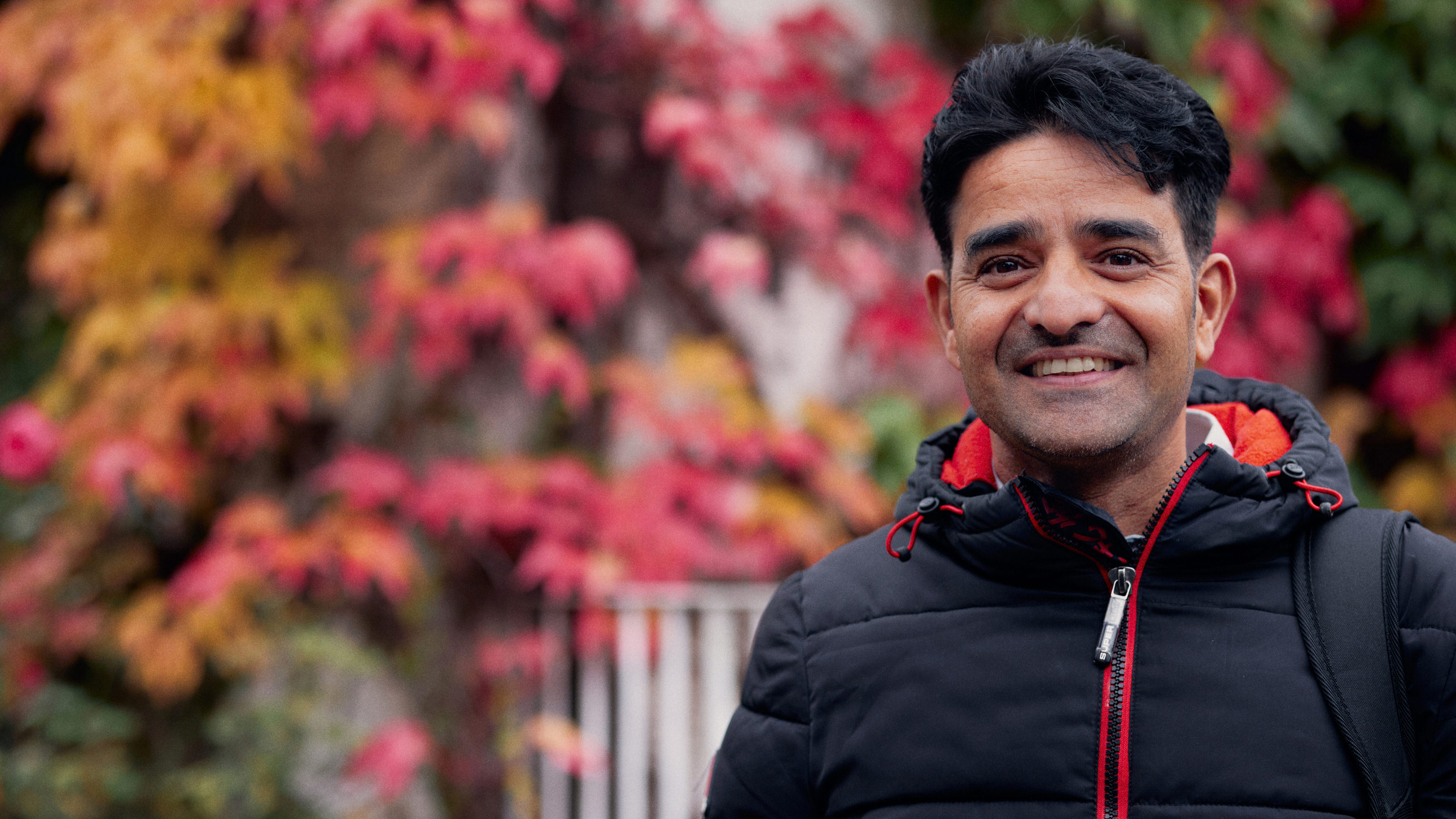
Visiting scholar Dr. Hari Kumar Suberi from Bhutan has been conducting research on sustainable technologies as parts of networked systems on HSBI’s Minden Campus, focusing on women as disseminators of technologies. Suberi’s stay was made possible by the “New Horizons Fellowship,” which was being awarded to researchers from the Global South with reference to equal opportunities issues for the first time in 2023.
Suberi’s home university is the Royal University of Bhutan, or to be more precise, the College of Science and Technology (CST) in Phuentsholing in the south of the country. The Himalayan kingdom has enshrined environmental protection in its constitution and regularly achieves a carbon neutral footprint. Suberi: “The veneration and respect for nature are among the traditional Bhutanese spiritual values. In addition, in Bhutan, the constitution now also protects the environment and promotes sustainable progress, which is unique.”
Women in Photonics: international workshop on career opportunities
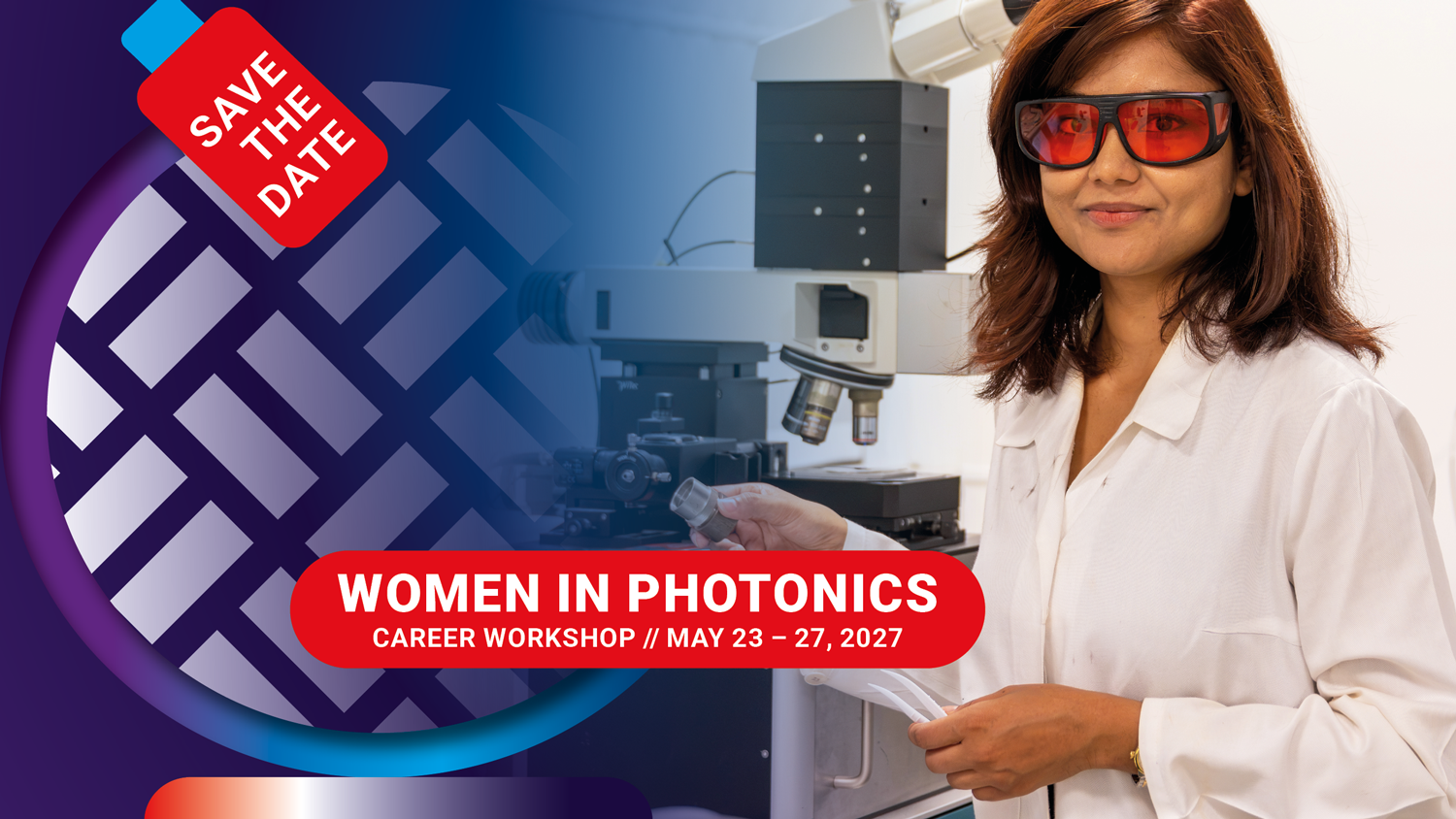
Your research deserves to be shared. And so do the experiences behind it.
From 23 to 27 May 2027, Women in Photonics will bring together female PhD students and postdocs from around the world to Leibniz-Institut für Photonische Technologien in Jena, Germany.
The international workshop offers early-career researchers in photonics and biophotonics the opportunity to present their findings, receive feedback and discuss new ideas with leading scientists from academia and industry.
What makes Women in Photonics special is that the conversations don't stop at research. There is also room to share personal experiences, discuss the challenges of being a woman in science and learn from others who have faced similar situations. Dedicated career workshops, networking events and lab tours at Leibniz IPHT round out the programme.
Registration and abstract submission are now open. Participation is free of charge, and a limited number of travel grants will be available.
The right method at the right time: tailor made monitoring for prestressed concrete bridges
Germany built thousands of prestressed concrete bridges in the 1950s and 60s. Unfortunately, what was considered a good way to safeguard them from a certain type of corrosion then, has proven to be insufficient in the meantime. As a consequence, most of them need to be closely monitored for hydrogen-induced stress corrosion cracking and its adverse effects. Since the problem became known some years ago, a range of new methods to test and monitor those bridges has been developed. But which method is right at which time and for which kind of bridge structure? Researchers at the Federal Institute for Materials Research and Testing are in the process of developing guidelines for infrastructure providers that will answer those questions. At project ReSKoMB, they test a range of methods from prestressing steel removal to monitoring via sensors and digital modelling at different stages of the service life of a bridge. The goal is to keep bridges safely in use until they can be replaced.
These are our partners
 University of Jena
 University of Stuttgart
 Forschungscampus Mittelhessen (FCMH)
 Doctoral Centre for Applied Computer Science (PZAI)
 Ruhr University Bochum
 Ostwestfalen-Lippe University of Applied Sciences and Arts
 Hochschule Bielefeld (HSBI)
 Leibniz Institute of Photonic Technology (Leibniz IPHT)
 BAM (Federal Institute for Materials Research and Testing)