Support making RiG more international!
Take part in our online survey at the end of your visit and share your valuable experiences and opinions. Duration: 7-10 min.
Medicine of the future
Learn more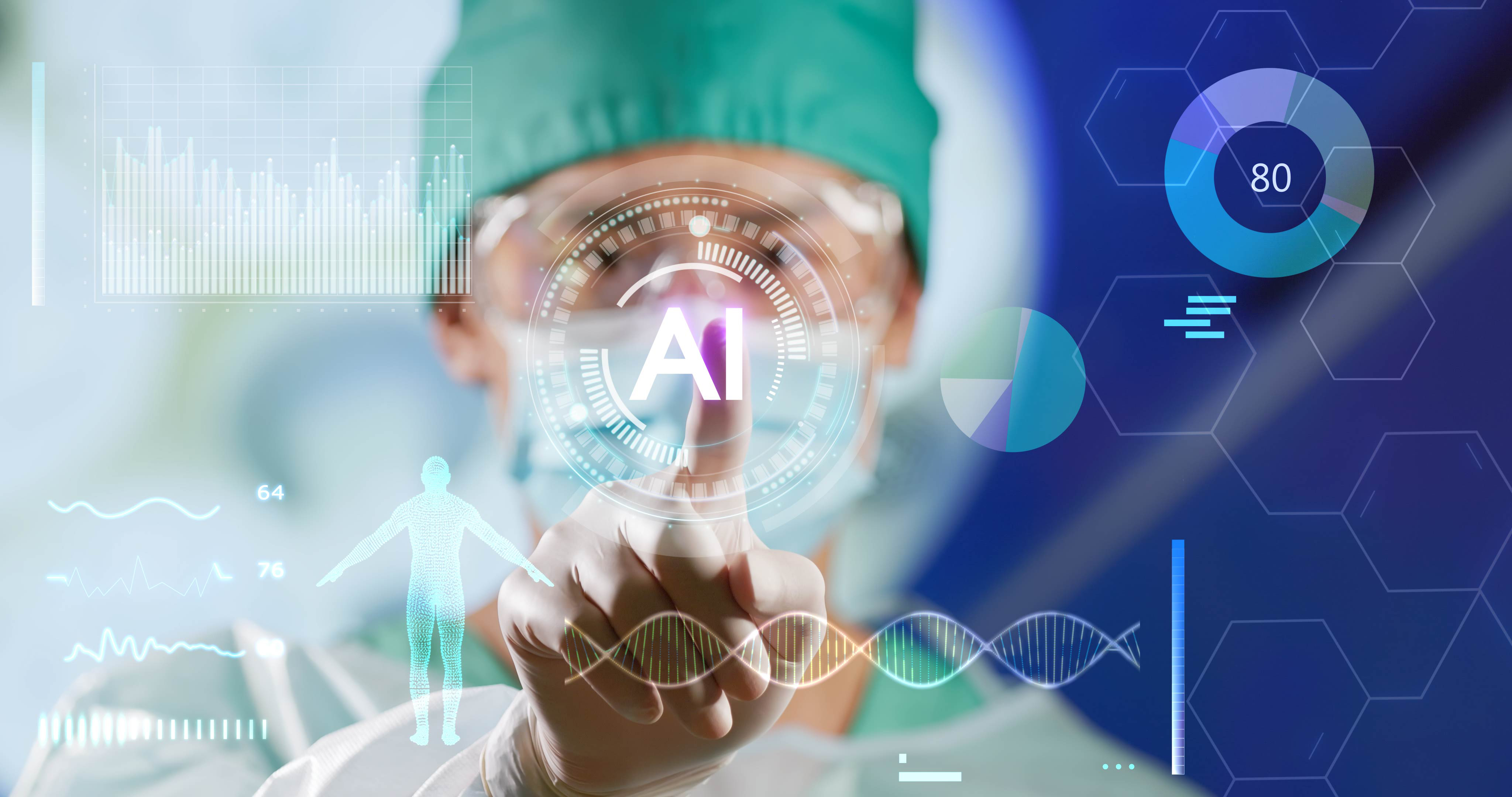
Medicine for future_iStock-2240353426
Medicine of the future
Get ready to explore how cutting-edge research is shaping the future of healthcare. Discover the therapeutic hydrogel for wound dressing developed at the University of Siegen, the new approaches to fight antibiotic resistance by disarming harmful bacteria rather than killing them at the Helmholtz Centre for Infection Research (HZI), and a rapid blood-plasma diagnostic method from Jena University Hospital. Learn how the PD Assist/PD Assist+ project at TH OWL is using AI to improve Parkinson’s care and how the KogniHome research apartment at Hochschule Bielefeld (HSBI) seeks to support independent living for care recipients. We also feature advanced hearing implant research from Hearing4all.connects, soft robotic materials developed at the University of Stuttgart, AI-supported implant research at Ruhr University Bochum, and smart contact lenses created by Hochschule Furtwangen and its partners. Plus, meet Klaus Tschira Boost Fund Fellow Timothy Warwick, who is uncovering how genome variation influences disease risk. Find out more about these exciting projects below!
Jump directly to an article
- Patented hydrogel: new approach to safe dressing of wounds
- Waldo Nogueira about his project ReadiHear and his work in the Cluster of Excellence Hearing4all.connects
- Smart materials for smarter medicine
- Innovations for outpatient care: HSBI researchers are equipping the KogniHome in Bielefeld with sensors and AI technology
- Changing the rules of the race against antibiotic resistance – Helmholtz Centre for Infection Research
- AI-based solutions for Parkinson’s care – Ostwestfalen-Lippe University of Applied Sciences and Arts
- From biopotentials to better vision – Furtwangen University
- Studying bone metabolism on a chip
- Jena research team identifies pathogens directly from blood plasma to improve the diagnosis of severe infections
- How Differences in our Genomes might Affect Disease Risk
- Contract Negotiations in German university medicine
Patented hydrogel: new approach to safe dressing of wounds
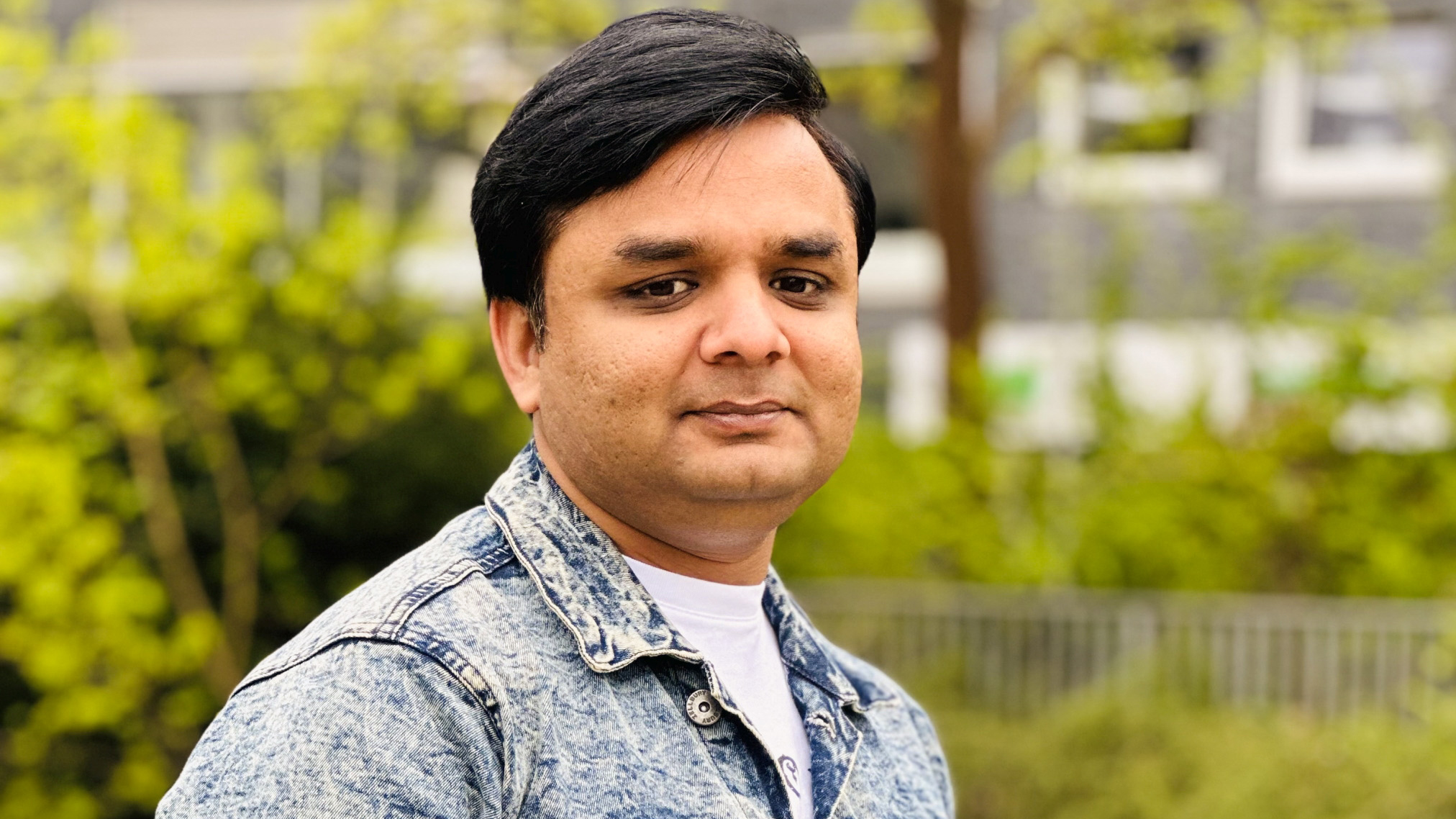
The skin is the largest human organ. When it is damaged, bacteria can penetrate into the body through wounds, potentially leading to life-threatening infections. To improve wound healing and prevent bacterial infections, chemist Muhammad Atif from the University of Siegen, working with colleagues from Siegen and Amsterdam, has developed an innovative, therapeutic hydrogel for dressing wounds. It protects the injury site, supports healing, and effectively fights infections — including those caused by multidrug-resistant bacteria. The researchers have already patented their invention.
Waldo Nogueira about his project ReadiHear and his work in the Cluster of Excellence Hearing4all.connects
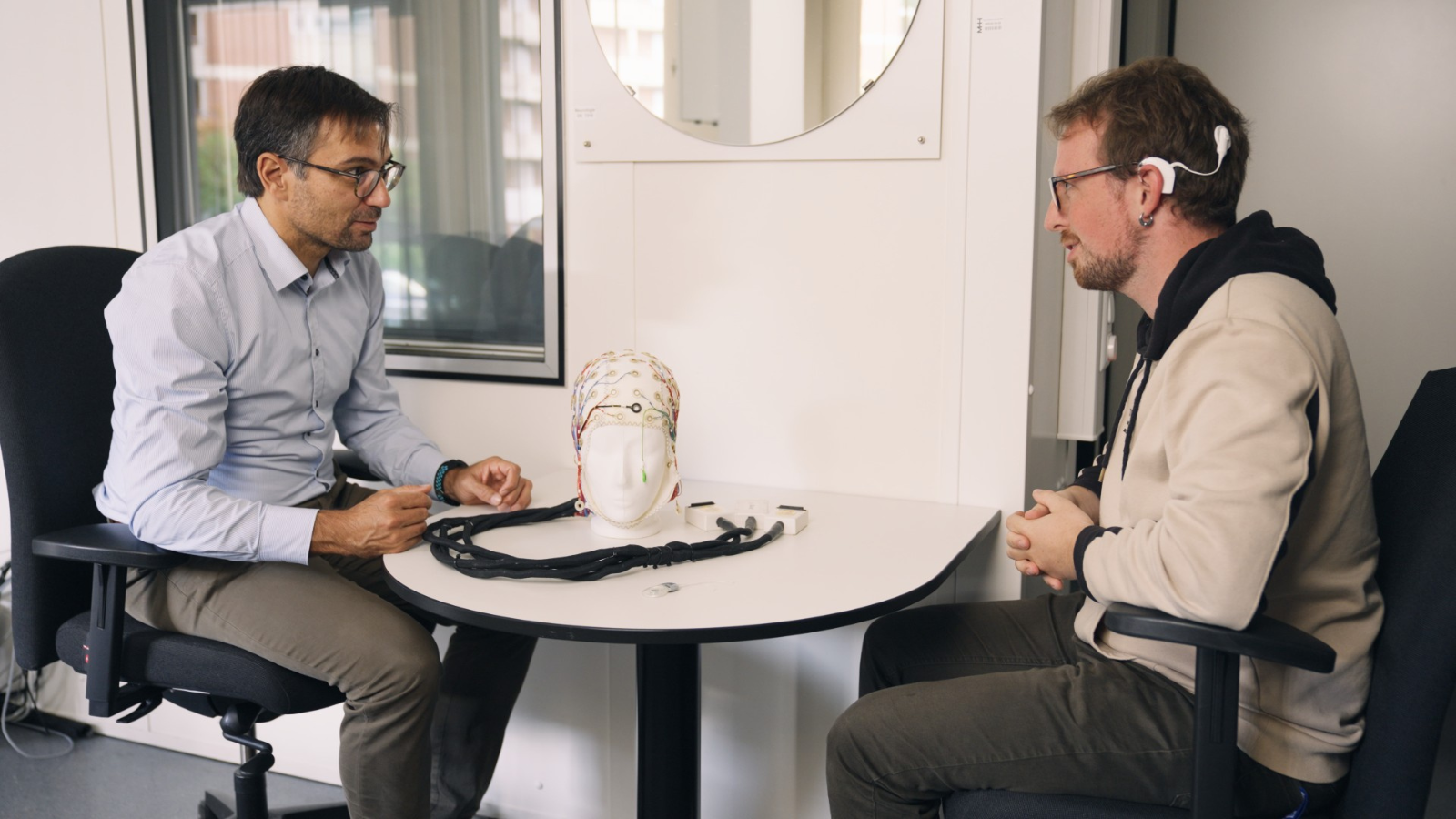
Prof. Dr Waldo Nogueira is a Spanish electrical engineer, hearing researcher and principal investigator of the Cluster of Excellence Hearing4all.connects. His biography is an impressive example of an international researcher’s career: He studied Telecommunications Engineering at the Universitat Politècnica de Catalunya and obtained his PhD at the Leibniz University Hannover. Following positions in the private sector, he worked as postdoc at the Universitat Pompeu Fabra in Barcelona before becoming professor at the Department of Otorhinolaryngology at Hannover Medical School in 2013.
Nogueira has been involved with the cluster from its inception in 2012. He created the Auditory Prosthetic Group where he conducts research on auditory implants. In 2022, he successfully acquired an ERC Consolidator Grant for his project ReadiHear. In this interview, he talks about this project, and about the importance of the cluster Hearing4all.connects to him and his work.
Smart materials for smarter medicine
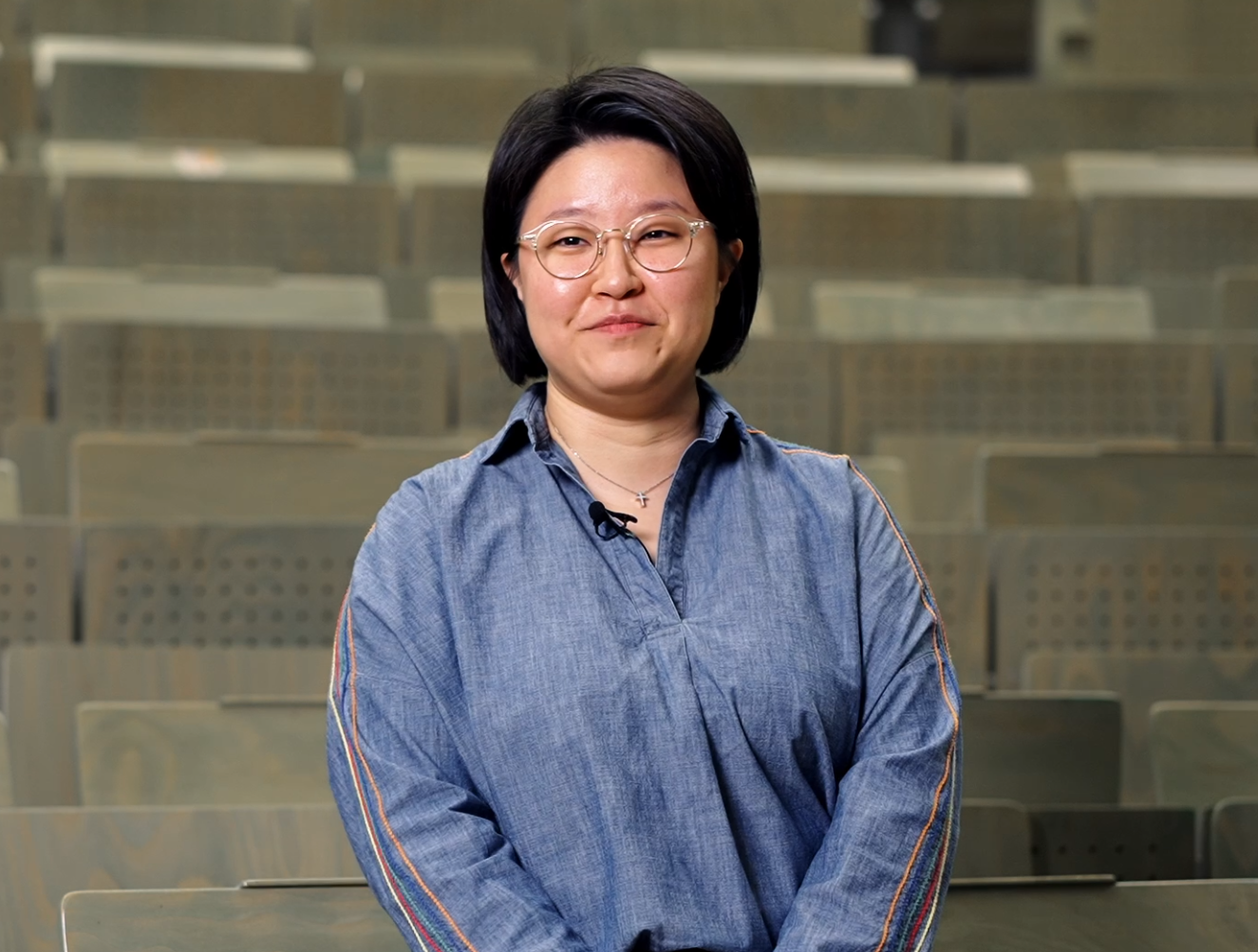
Doctoral researcher Semi Kim from the University of Stuttgart is developing new materials with smart functionalities, so-called multifunctional soft actuators. These are flexible materials that respond to external stimuli. Her research could pave the way for a new generation of soft robotic hands that can gently grasp and manipulate delicate objects. One possible application is surgical robotics, where precision and flexibility are crucial. Semi’s materials could also be used for artificial muscles, soft prosthetics, and smart bandages that actively respond to the body or their surroundings.
In a video, Semi Kim shares insights into her research and opens up about her personal journey between two cultures – South Korea and Germany. The video is part of a series, in which early-career researchers from the University of Stuttgart share their „science vision“ and explain how they hope to shape tomorrow's world with their research.
Innovations for outpatient care: HSBI researchers are equipping the KogniHome in Bielefeld with sensors and AI technology

Increased numbers of sensors, more powerful software, an innovative entrance door and an AI system that is in the training phase – these are the latest improvements to the Bielefeld-based “KogniHome” research home that are being implemented by two HSBI researchers. Their goal is to enable care recipients to live longer and more safely within their own four walls.
Changing the rules of the race against antibiotic resistance – Helmholtz Centre for Infection Research
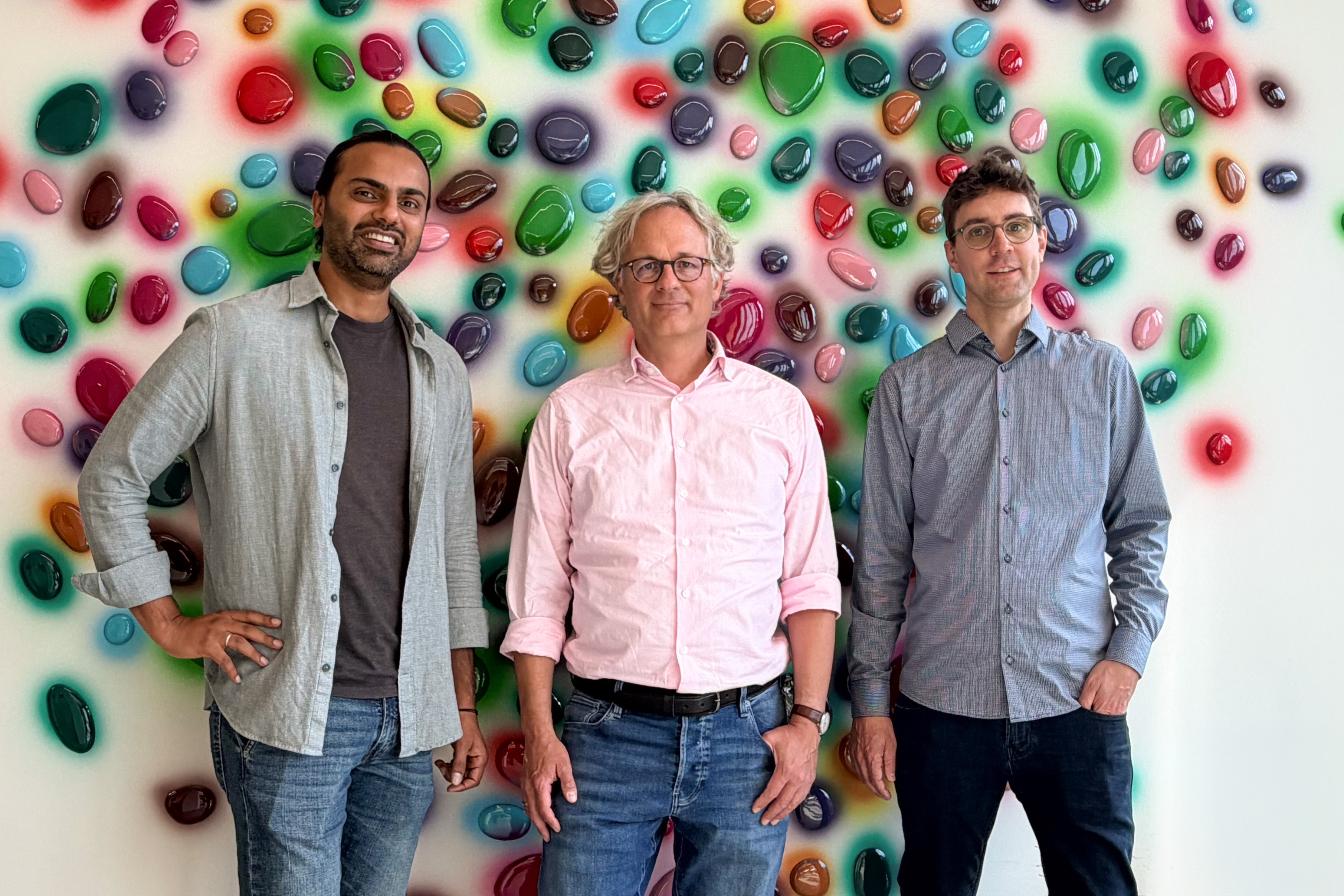
What if we could disarm bacteria instead of killing them? Researchers at the Helmholtz Centre for Infection Research (HZI) are developing a pathoblocker against Staphylococcus aureus. Unlike conventional antibiotics, the drug candidate does not kill the bacteria or inhibit their growth. Instead, it neutralizes a toxin that the pathogen uses to damage host tissues and cause severe disease. By targeting the pathogen’s harmful effects rather than its survival, this approach could help reduce the evolutionary pressure that drives antibiotic resistance. Discover how this innovative strategy could contribute to the Medicine of the Future and change the rules of the race against antibiotic resistance.
AI-based solutions for Parkinson’s care – Ostwestfalen-Lippe University of Applied Sciences and Arts
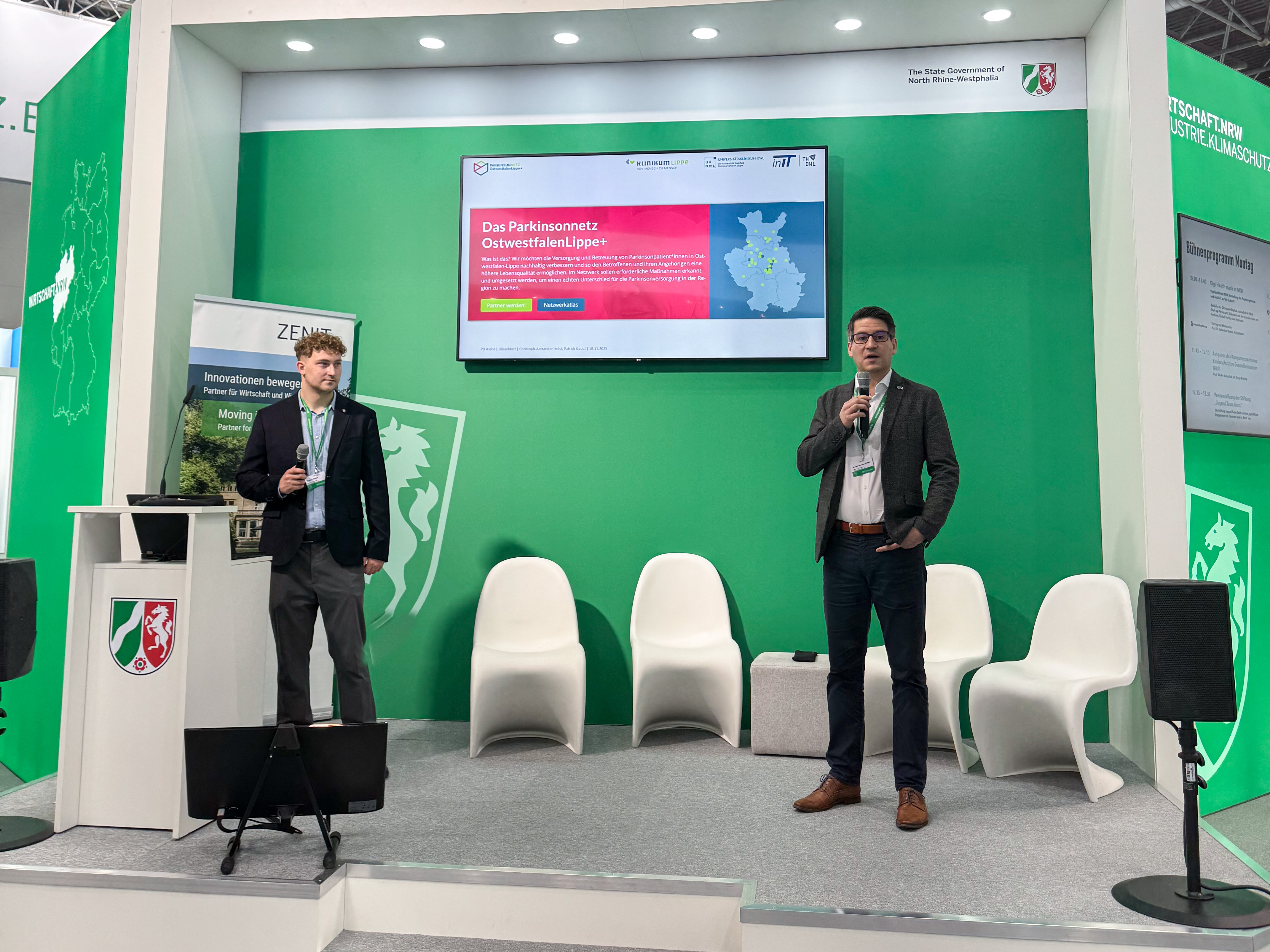
Caring for people with Parkinson’s disease is complex: Patients require continuous monitoring and coordinated care across different medical and therapeutic disciplines. How can digital technologies help make this care more efficient and better connected?At TH OWL's Institute Industrial IT (inIT), Dr. Christoph-Alexander Holst and his team are working with Klinikum Lippe, part of University Medical Center OWL, on PD Assist / PD Assist+, developing AI-supported digital solutions for Parkinson's care. The researchers focus on a digital app that continuously records movement patterns and medication intake and will be extended with an AI-powered voice assistant. Based on Parkinson’s-specific medical knowledge and patient-related information, the assistant will provide accessible answers in natural language and support healthcare professionals in their daily work. The project aims to improve long-term monitoring and treatment planning, strengthen collaboration across medical and therapeutic disciplines, and help reduce the demands placed on both patients and healthcare professionals. The app is already being evaluated in initial studies.
From biopotentials to better vision – Furtwangen University
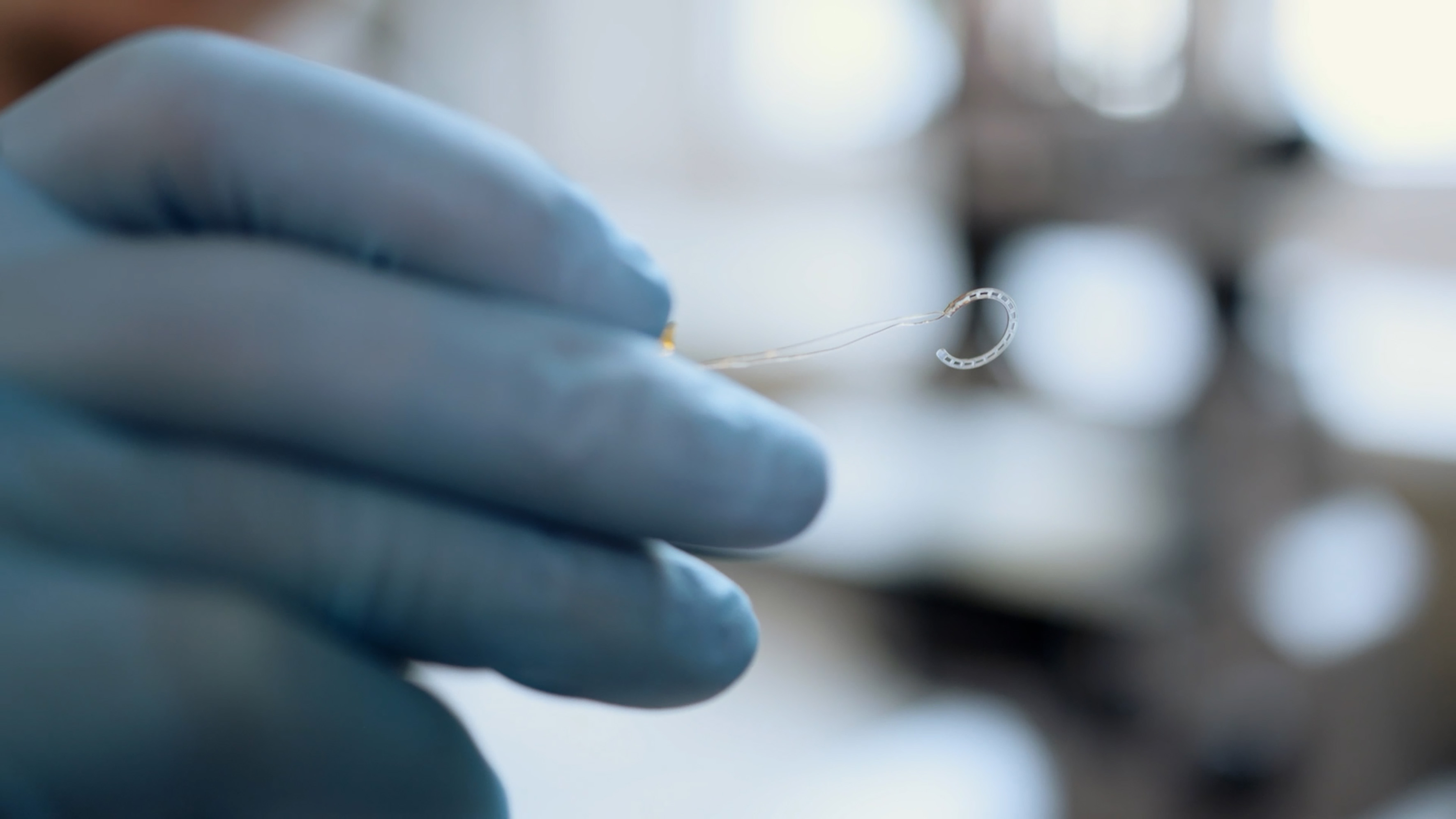
As we age, our eyes lose the ability to switch effortlessly between near and far vision. As part of a larger interdisciplinary project, the team at Hochschule Furtwangen around Prof. Dr. Volker Bucher is contributing a new approach: a smart contact lens and an intraocular implant that use the eye’s own electrical signals to restore intuitive, sharp vision. The key lies in the ciliary muscle, whose tiny biopotentials can be measured and used as natural control signals. First prototypes suggest that even 80‑year‑olds could once again focus on near objects almost like teenagers. This vision is driven by a joint effort of experts in medical technology, microelectronics, materials science and ophthalmology – including the University Eye Clinic in Tübingen, Ulm University, the Core Facility for Medical Bioanalytics, the STZ eyetrial at the Department of Ophthalmology in Tübingen, and IOP Implandata Ophthalmic Products GmbH. The project is funded by the Carl‑Zeiss‑Stiftung.
Studying bone metabolism on a chip
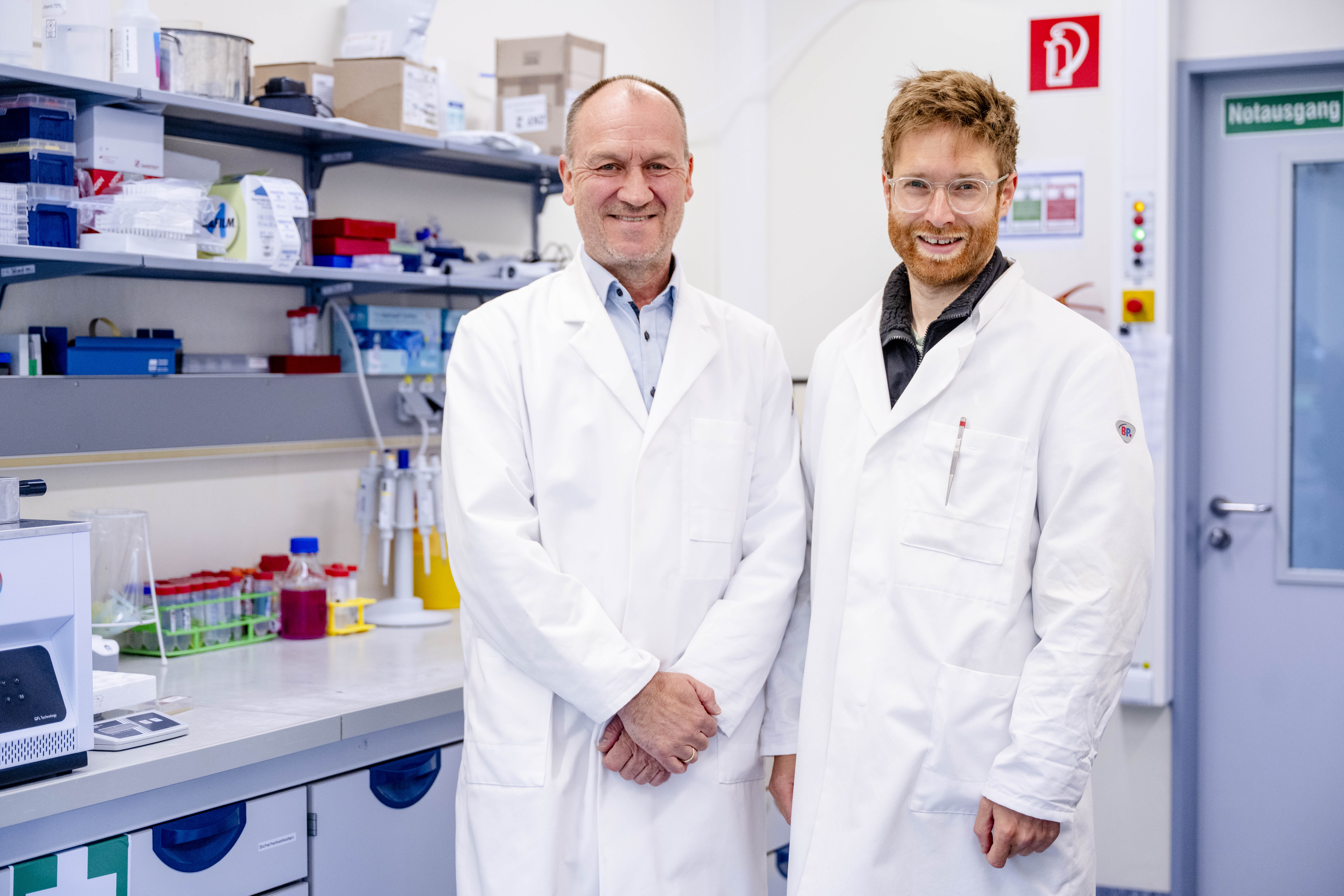
Over 400,000 patients in Germany annually receive knee or hip implants—but replacements are often needed due to loosening. Dr. Jochen Salber’s team at Ruhr University Bochum investigates the reasons why artificial joints loosen on average after 12 to 15 years. They bypass animal testing, using human cells and 3D-printed bone-like chips in bioreactors. Their AI-supported system tracks real-time bone-implant interactions, revealing how implant microstructures impact bone formation. This sustainable method delivers precise, human-relevant data—paving the way for implants that last decades and even lab-grown organ systems.
Jena research team identifies pathogens directly from blood plasma to improve the diagnosis of severe infections
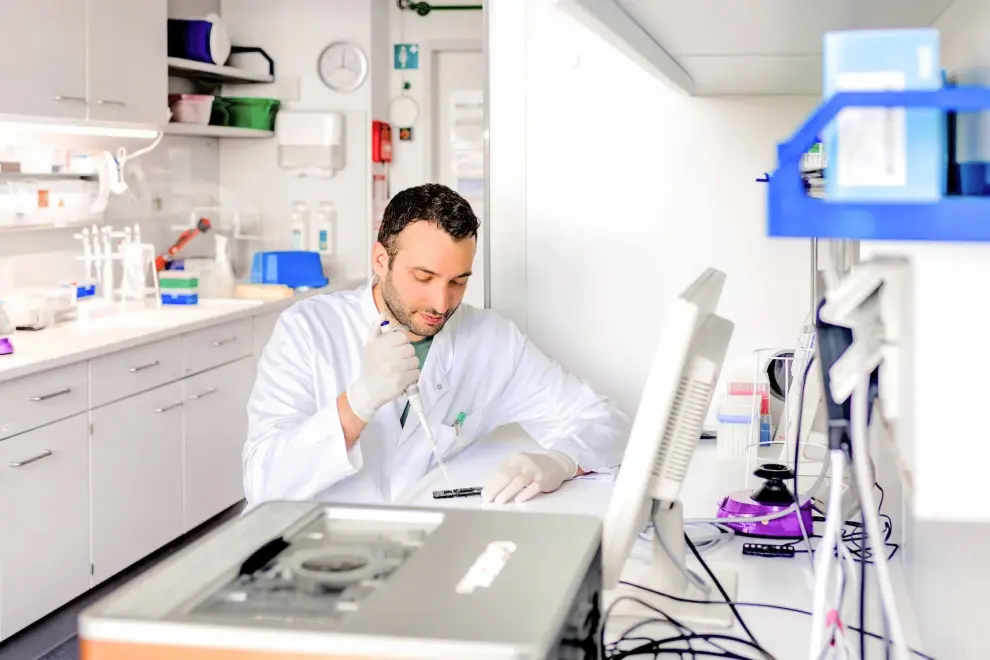
Severe bacterial infections must be detected quickly and treated specifically. However, antibiotic therapy that has already begun often makes it difficult to detect the pathogens. Researchers at Jena University Hospital (JUH) have now developed a method that can identify pathogens directly from blood plasma. The method delivers results within a few hours and works even during ongoing antibiotic therapy.
How Differences in our Genomes might Affect Disease Risk
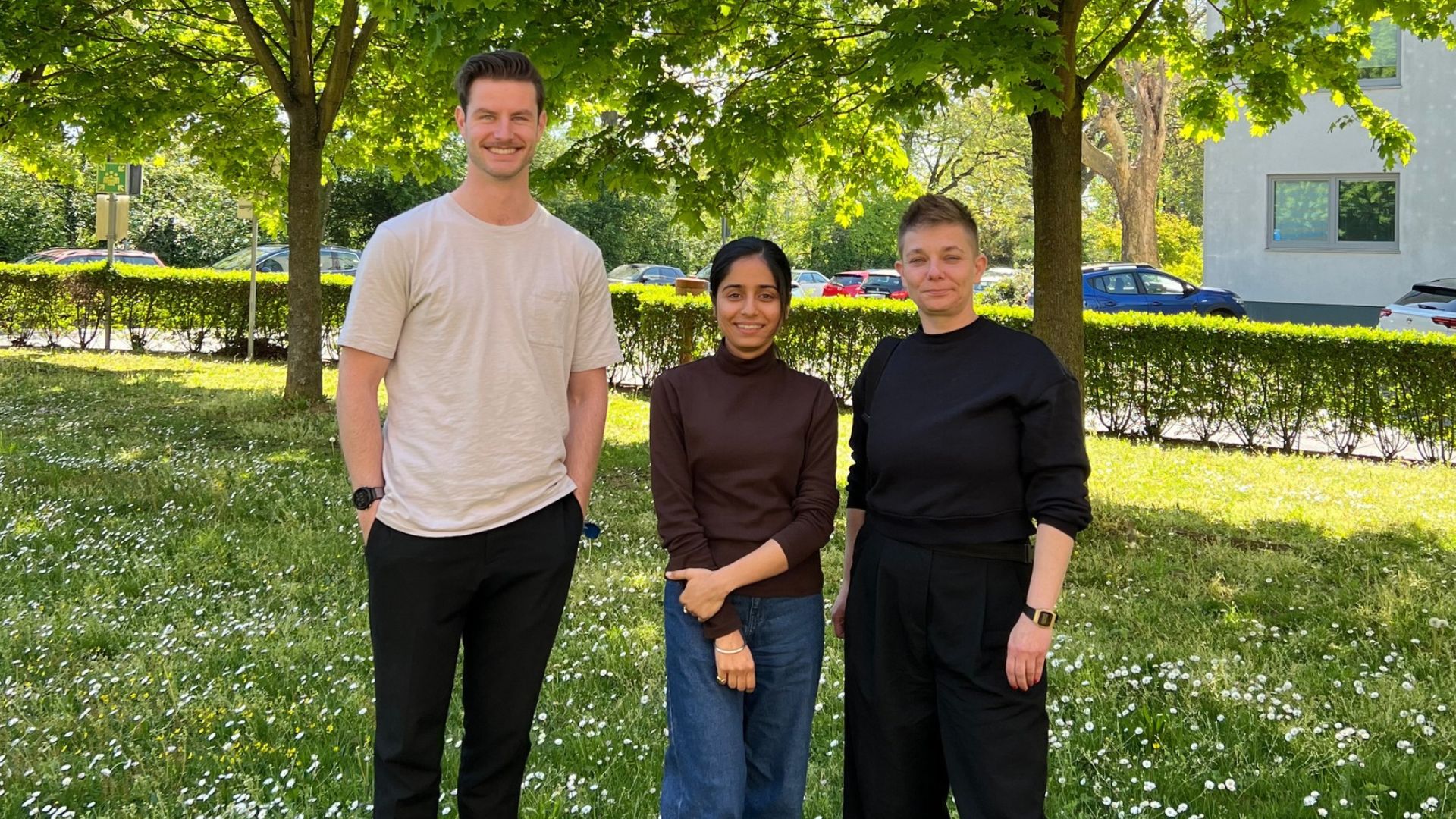
How do small variations in our genetic code shape who we are, and why do some lead to disease while others don’t? As a Klaus Tschira Boost Fund Fellow, Timothy Warwick explores how differences in our genomes might affect the way RNA interacts with DNA and how this could affect our risk of developing different diseases. Working at the intersection of epigenetics and RNA biology, Timothy also reflects on what it means to pursue risky research, work with uncertainty, and follow the data rather than just the original idea.
Find out more about Timothy’s research and his experience with risky research here.
Contract Negotiations in German university medicine

Contract negotiations in German university medicine are shaped by a complex institutional setting. Medical leaders at university hospitals do not negotiate only salary, resources or contract duration. They also negotiate the scope of their role between clinical care, research, teaching, hospital management and public-law obligations. Find out more about advanced research in Germany here or read the full article here.
These are our partners
 University of Siegen
 Cluster of Excellence Hearing4all.connects
 University of Stuttgart
 Hochschule Bielefeld (HSBI)
 Helmholtz Centre for Infection Research
 Ostwestfalen-Lippe University of Applied Sciences and Arts
 Furtwangen University
 Ruhr University Bochum
 University of Jena
 GSO (Guidance, Skills and Opportunities for Researchers e.V.)
 Deutscher Hochschulverband (DHV)