Biotechnology research in Germany: innovation for health, industry and the bioeconomy

Germany is one of the world’s leading centres of biotechnology research – encompassing everything from medical innovations to the industrial bioeconomy. Its ecosystem combines outstanding research institutions, highly qualified scientific talent and globally recognised companies in the biotechnology sector. Biotechnology is one of the key technologies defined in the Federal Government’s High-Tech Agenda Germany. The focus is on medical biotechnology and the industrial bioeconomy – geared firmly towards technology transfer, start-ups and upscaling.

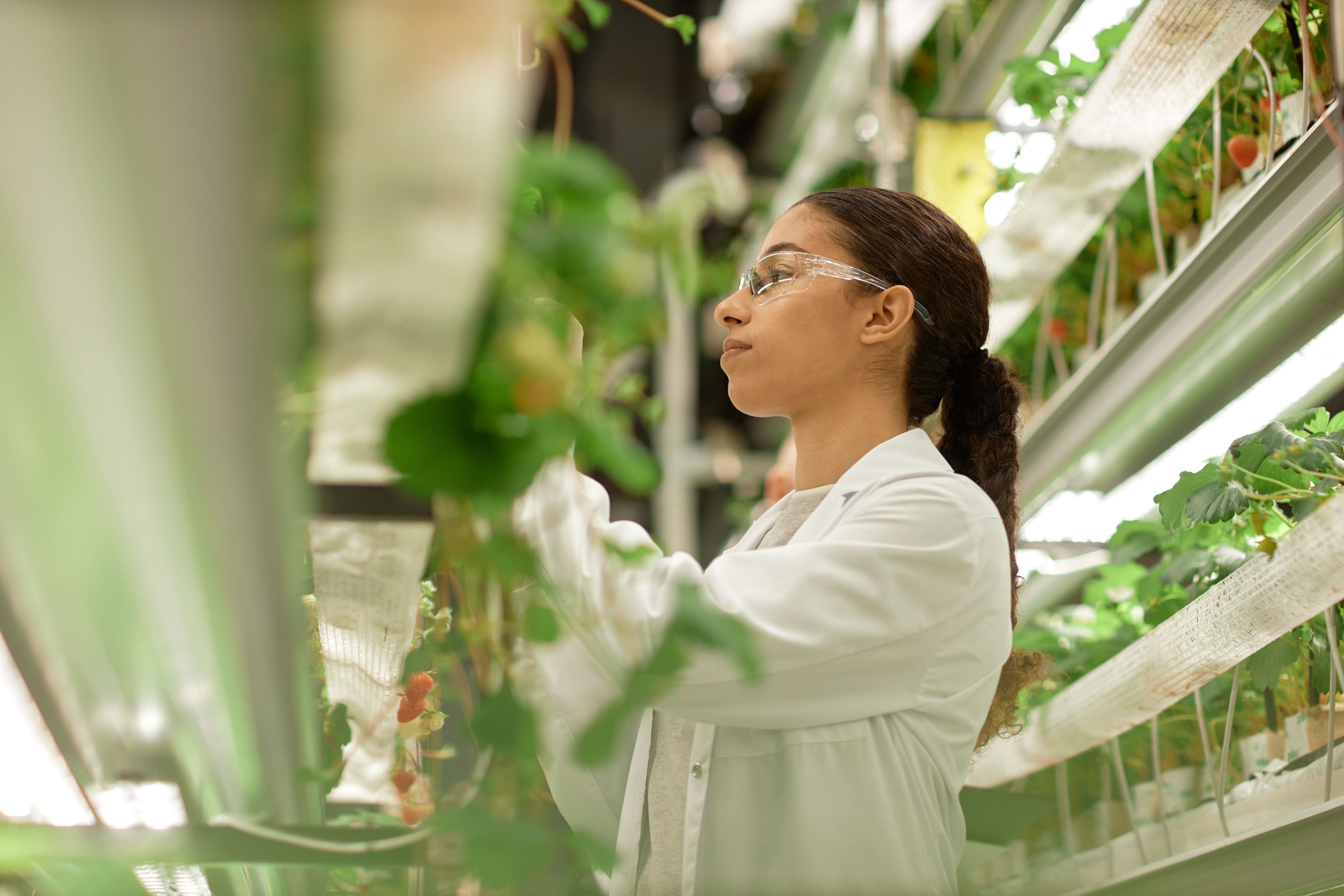
A young woman in a white lab coat inspects plants in a greenhouse

What are Germany’s strengths in biotechnology at a glance?

Germany is home to 

  • world-renowned research institutions, eg. the Technical University of Munich
  • a large pool of scientific talent: Germany has the highest share of STEM graduates in the OECD
  • globally recognised biotechnology companies, e.g. Boehringer Ingelheim, Merck KGaA, BioNTech
  • well-developed research infrastructures: 39 biotechnology hubs in Germany provide essential infrastructure for biotech companies

Germany’s competitive edge when it comes to biotechnology is its combination of top-class research, infrastructure and reliable transfer from lab to practical application. A prime example is the HealthCapital Cluster (Berlin-Brandenburg), which connects business, science and clinics and explicitly drives networking and technology transfer across the region.
Why is medical biotechnology being prioritised in Germany?

Biotechnology plays a central role in modern healthcare – making possible new diagnostic methods, targeted therapies and faster vaccine development. Germany is following a strategic approach here because medical biotechnology achieves better health outcomes through innovation – by combining basic research, research translation and clinical application.

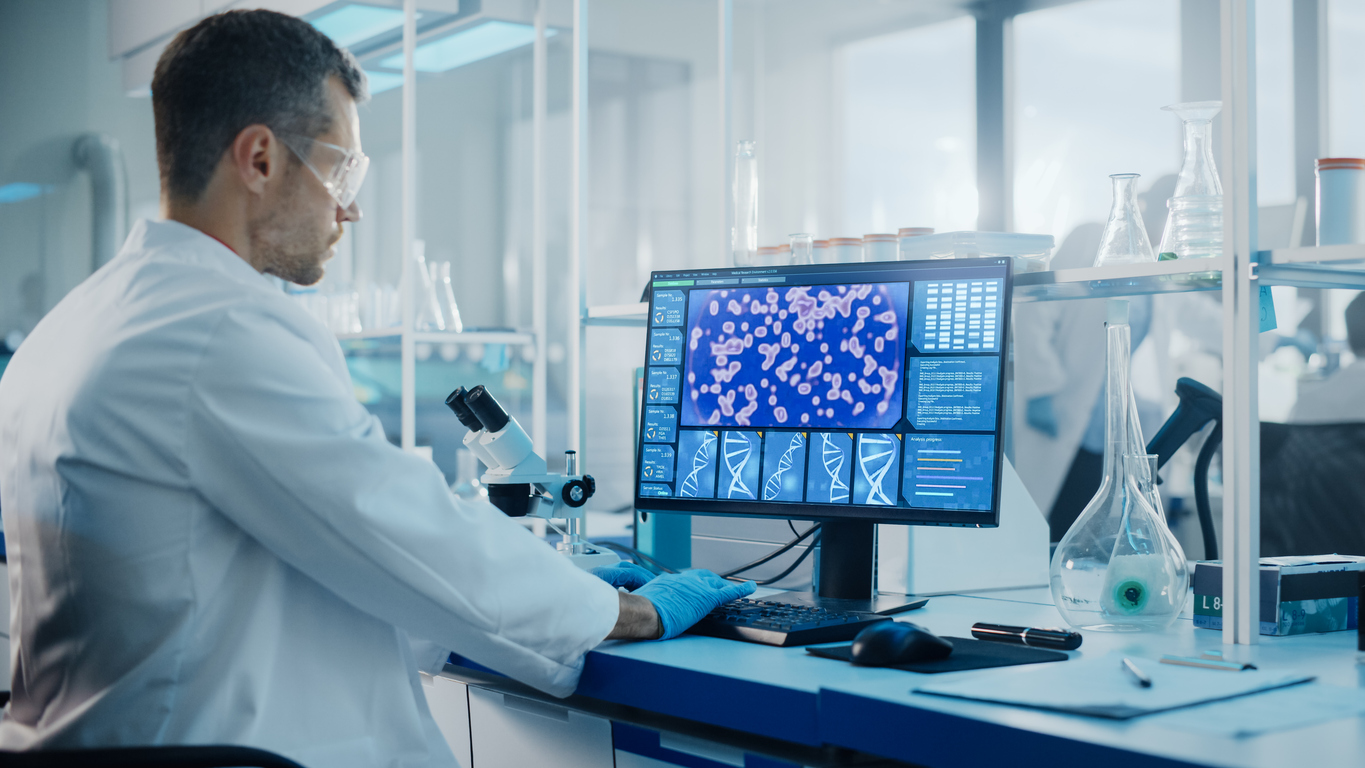
Hands-on lab work and data-driven analysis are at the heart of biotechnology research in Germany.

An outstanding example: the rapid mRNA breakthrough

Germany places strong emphasis on research translation – ensuring that scientific advances are systematically transferred from the lab into clinical practice and real-world applications. This is reflected in success stories such as BioNTech. Just a few years after it was spun off from the university hospital at Johannes Gutenberg University Mainz, BioNTech was able to use its expertise in mRNA technology to develop a COVID-19 vaccine. This was the first mRNA-based drug authorised for human use and the first vaccine in medical history to be approved so quickly to combat a new pathogen.

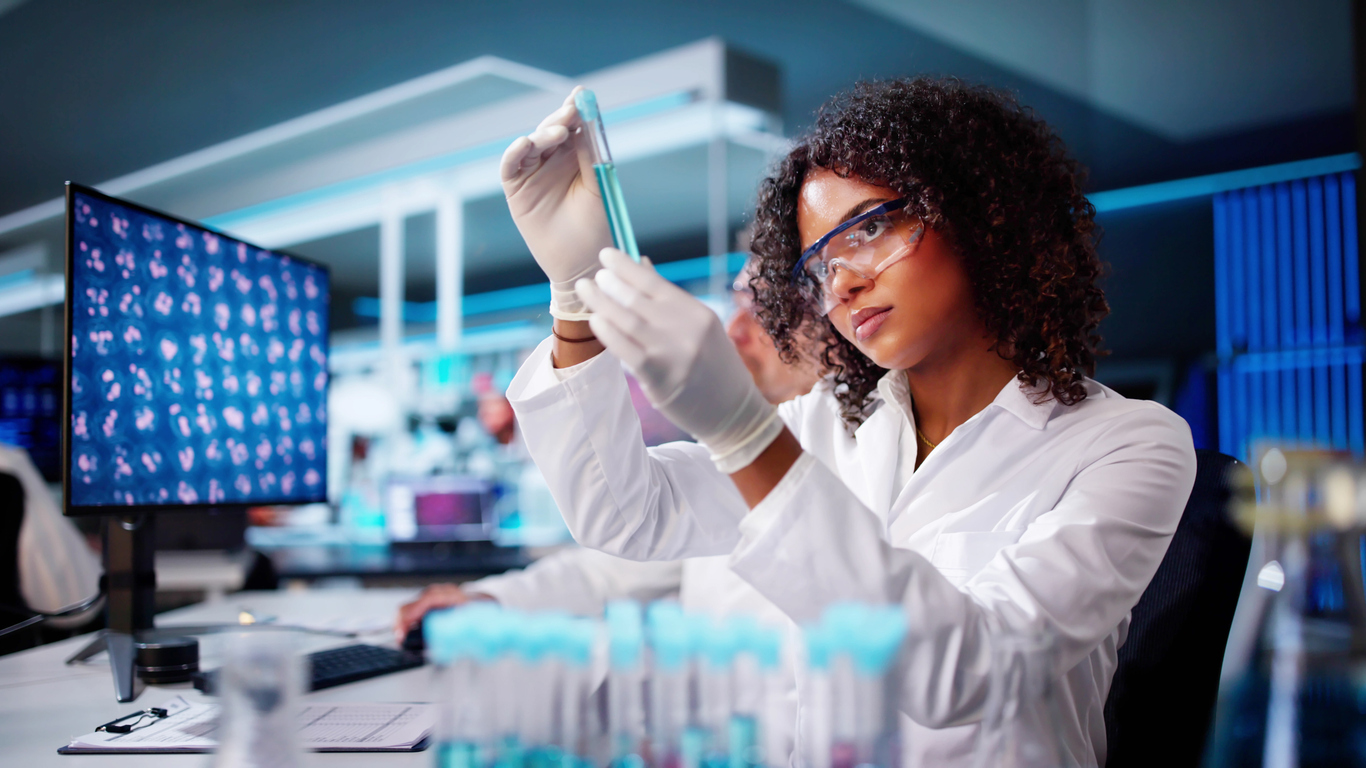
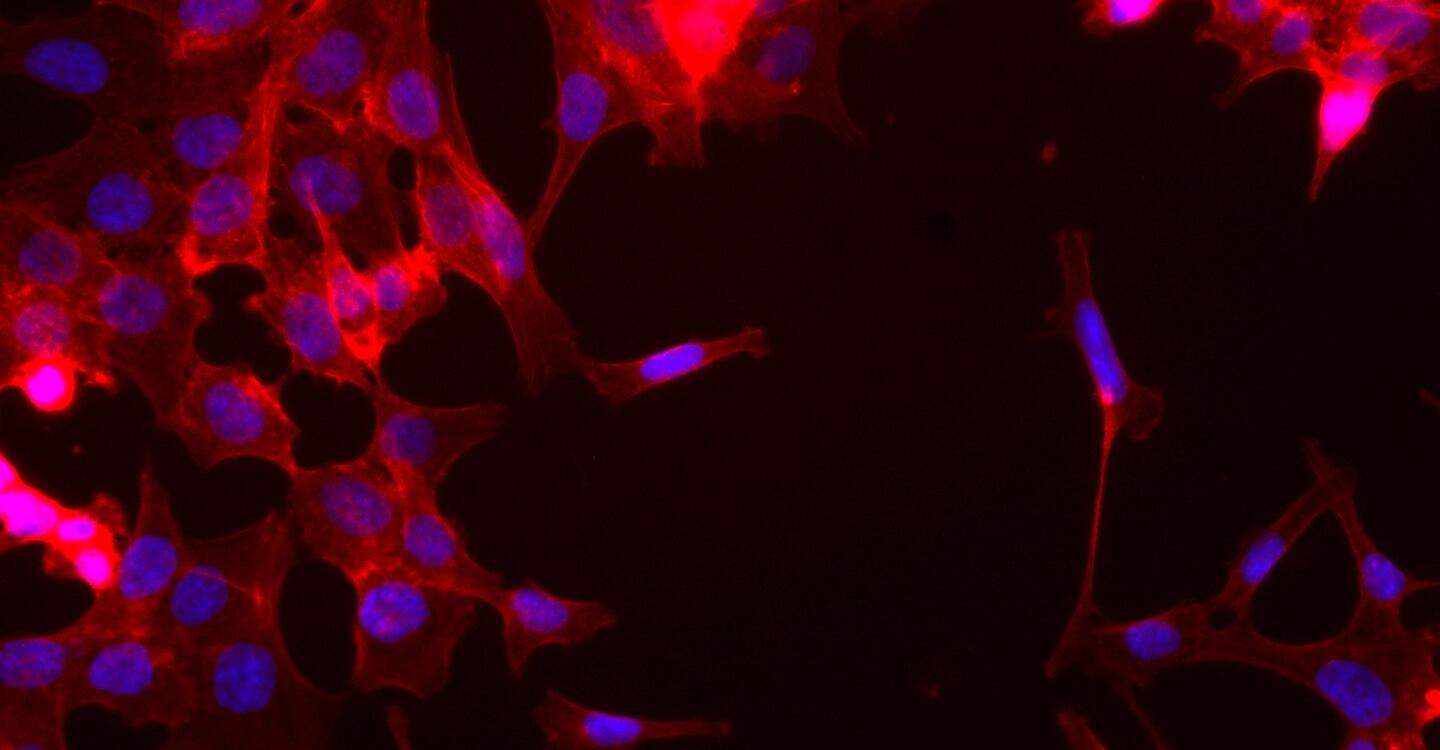
T-knife develops treatments that can fight cancer by harnessing the patient’s immune system.

Spotlight: BiotechPark Berlin Buch (Berlin Brandenburg)

BiotechPark Berlin‑Buch highlights the outstanding research outcomes emerging from Germany’s biotech ecosystem. One example is T‑knife, a biotech start-up spun out in 2018 from the Max Delbrück Center (MDC) together with Charité

Building on Prof. Thomas Blankenstein’s long-term research, T‑knife is developing immunotherapies by genetically engineering human T cells so their receptors can specifically detect and destroy tumour cells. 

This technology is being tested as Germany’s first T‑cell receptor gene therapy in a clinical study.

More hubs to explore:

  • Berlin-Brandenburg: a growing hub for innovation with a vibrant start-up culture, spanning both the medical segment and the bioeconomy sector; e.g. HealthCapital Cluster; BiotechPark Berlin-Buch
  • Greater Munich / Bavaria: stands out as the clear leader in biotech venture capital; strong university base and dynamic innovation ecosystem; e.g. BioM, central network organisation for medicine and biotechnology
  • Rhine-Neckar: one of the most dynamic life science hubs in Germany, consisting of around 1,000 life science companies and research organisations; e.g. bioRN science and industry innovation cluster
  • Rhineland-Palatinate: home to BioNTech and Boehringer Ingelheim, with the highest number of clinical studies; e.g. "Cluster4Future" curATime for atherothrombosis and individualised medicine using AI- and mRNA-based technologies

How is Germany positioned in medical biotechnology?

Germany is one of the world’s leading nations in the field of medical biotechnology and the European number one in research and development. Key drivers of growth include the rapid advances being achieved in:

  • genomics
  • sequencing technologies and
  • genome editing tools

Such developments enable targeted treatments, improved diagnostics and, increasingly, commercial applications. There is great demand for innovative therapies, especially in oncology and for autoimmune and neurodegenerative diseases. These are also the areas in which the lion’s share of the venture capital raised in 2024 was invested.

GOOD TO KNOW

What makes Germany a European leader in medical biotechnology?

  • Robust growth in R&D investment
  • A high number of start-ups
  • Record-breaking fundraising achievements
  • Clinical pipelines and product approvals at an advanced stage

How public funding supports research translation and start-ups in Germany

Alongside private capital, the public sector also provides targeted support to promote the transfer of research findings into practical applications. The High-Tech Agenda Germany prioritises research translation projects and the funding of research teams willing to start up their own company – via programmes such as “GO‑Bio next”.

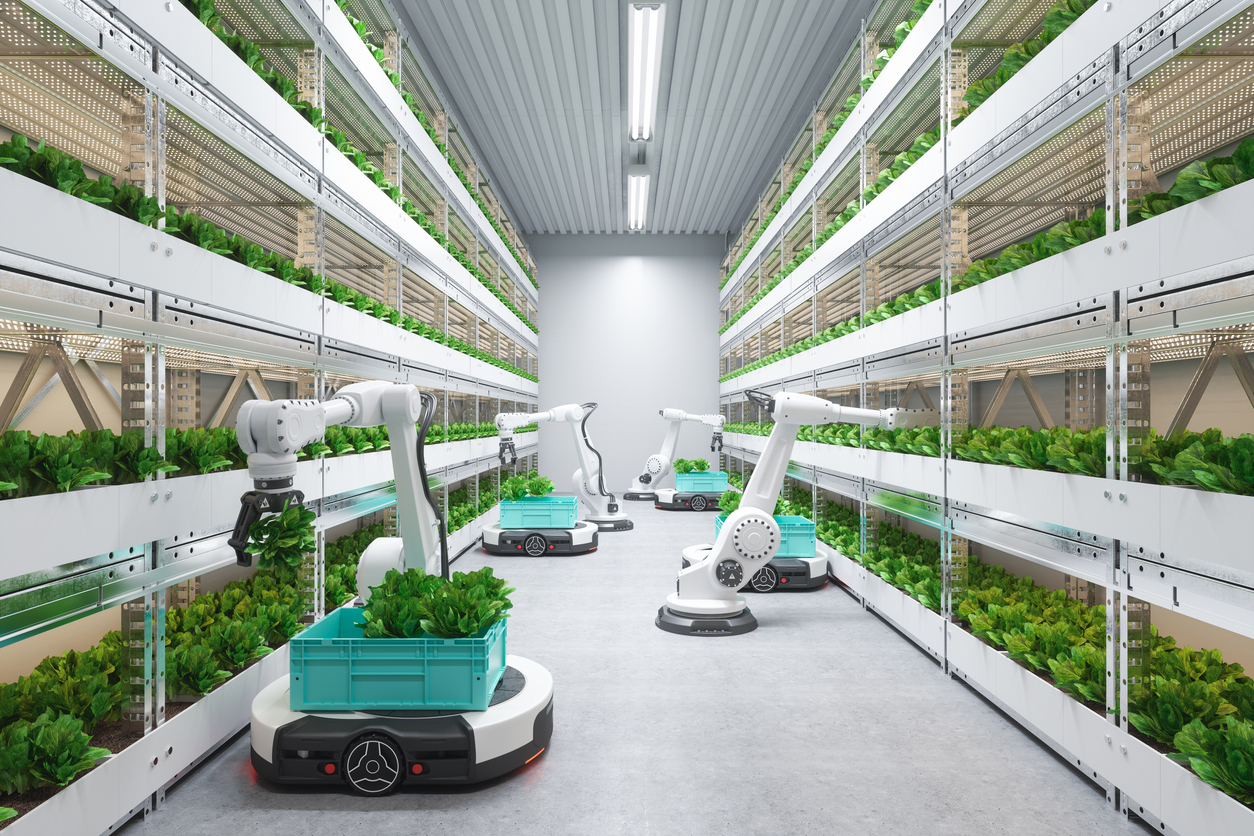
Automation in controlled-environment agriculture: AI and biotechnology research in Germany enable more resilient, resource-efficient food systems.

Why is biotechnology crucial for the industrial bioeconomy?

Biotechnology also plays a vital role in food security, in industrial production and in creating a sustainable, circular and competitive economy. Artificial intelligence (AI) is the central driver of the industrial bioeconomy. 

Digital lab workflows accelerate biotechnology research in Germany, from discovery to development.

In which fields is AI boosting the bioeconomy?

Artificial intelligence is a central driver of the industrial bioeconomy because it can be used to manage complexity and shorten development cycles. AI provides valuable assistance in areas such as:

  • controlling and optimising production processes
  • discovering and developing new biomolecules
  • upscaling for industrial use, e.g. with digital twins
  • taking more precise decisions about sowing, fertilising and harvesting
  • increasing resource efficiency when AI is combined with robotics and remote sensing
  • modelling complex situations to allow more robust decision-making

This sector is also becoming increasingly attractive to investors: in 2024, industrial firms in the biotechnology sector raised the record sum of more than 200 million euros in venture capital to develop new technologies for innovative foods, high-grade biotechnological materials and biomimetic direct air capture.

The “Industrial Bioeconomy” funding programme (only in German) supports the transfer of biobased products and techniques to industrial practice.

Find pioneering research institutions in biotech

  • Fraunhofer Institute for Interfacial Engineering and Biotechnology IGB
  • Fraunhofer Institute for Production Technology IPT
  • Fraunhofer Institute for Molecular Biology and Applied Ecology IME
  • Fraunhofer Center for Chemical-Biotechnological Process CBP
  • Helmholtz Munich Bioengineering Center
  • Helmholtz Institute for Biomedical Engineering HIA
  • Helmholtz Centre for Infection Research HZI
  • Helmholtz Institute for RNA-based Infection Research HIRI
  • Max Planck Institute for Molecular Physiology
  • Max Planck Institute of Molecular Cell Biology and Genetics MPI-CBG
  • Leibniz Institute for New Materials INM

A quick guide to research funding in Germany

There are a few core paths: paid positions, scholarships/fellowships, programme-based places, and project/PI grants that create jobs. This page explains the funding landscape in Germany for students, PhD researchers, postdocs and established academics.